He Lived in Mud, But He Owned the Entire Estate
PART 2:
The truth began long before Ethan or Amelia ever met. Harrison Doyle and his wife Ruth bought the original waterfront parcel in the early seventies, before the road was fully paved and before the bay turned into a necklace of guarded estates. Harrison had built a shipping brokerage from a single truck and stubborn discipline. Ruth managed the books. Together they raised one son, Gregory, and built a house meant to keep family close. Gregory grew up bright, restless, and too easily seduced by speed. When he married young and had Ethan, Harrison believed the family line was secure. Then a crash killed Gregory and Ethan’s mother within the same year, leaving Harrison and Ruth to raise the boy through grief and privilege. As business grew into a corporation, advisers multiplied. After Ruth’s death, Harrison withdrew from the spotlight. He let the family office present Ethan as the natural future of everything. He retained, however, one unadvertised safeguard. The Biscayne mansion and the land beneath it remained in a private ownership trust that named Harrison as sole life controller. Ethan would inherit only if he proved capable of protecting the house and the people bound to it.
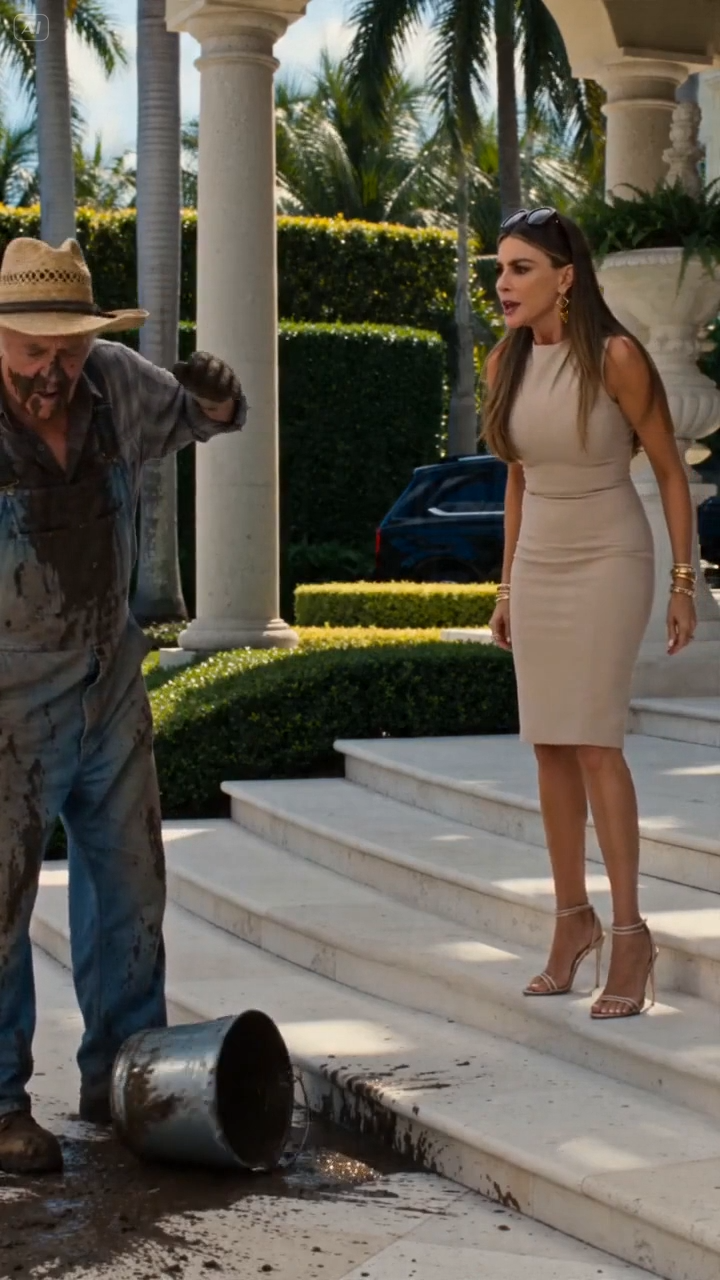
For a long time Harrison thought Ethan might yet become that man. The boy had tenderness in him once. He used to walk the gardens barefoot, ask about mangrove roots, and sit in the cottage listening to old stories about his father. But wealth teaches avoidance, and Ethan learned early that difficult truths could be handed to lawyers. By the time Amelia arrived, he had become someone who managed discomfort by leaving the room. Amelia exploited that weakness beautifully. She dismissed longtime employees for minor errors, mocked the old housekeeper’s Spanish, and redecorated Ruth’s sunroom in sterile shades of white because sentimental colors looked dated on camera. Harrison objected only when it mattered. The final insult came when Amelia ordered the demolition of Ruth’s vegetable garden to create a platform for a luxury brand event. Harrison told the foreman the garden was protected. Amelia overheard and announced in front of staff that the old gardener had started imagining himself important.
Three days later she told Ethan that Harrison made guests uncomfortable and should be removed from the estate. Ethan promised to handle it gently, then left for meetings in Brickell and handled nothing. That evening Harrison unlocked a teak cabinet in his cottage and spread decades of papers across the table: deed chains, trust amendments, handwritten notes from Ruth, and one sealed memorandum Gregory had left before his death. In it he warned that the house would one day attract people who loved its power but not its memory. He urged Harrison never to release control until he was certain the next generation understood the difference. Harrison read the note twice, then called attorney Naomi Feld. By morning she had prepared a legal notice authorizing immediate eviction for Amelia as a resident by marriage and conditional review of Ethan’s right to remain under the trust. Harrison folded the papers and slid them into the inner pocket of his work shirt. He intended to speak to Ethan first. Amelia chose to speak through mud.
Now, under the hard sun, Harrison replaced his glove and slowly removed his straw hat. Wet lashes clung together. Mud tracked down his neck and into the collar of his shirt. Amelia crossed her arms, ready to continue the humiliation she assumed would go unanswered. Instead the mansion doors burst open and Ethan ran into the courtyard, breathing hard, jacket unbuttoned. “What the hell is going on here?” he shouted. His eyes landed on Harrison, and his face changed. Harrison reached into his pocket and drew out the folded legal notice, damp at the corners but legible. He held it toward Ethan rather than Amelia. “Don’t make a scene,” he said, voice steady as stone. “You are evicted.”
Amelia blinked, then laughed once, but the sound cracked midway through. Ethan took the paper. As he read, disbelief gave way to the fear that comes when a person realizes his life has been built on a story designed for his comfort. He turned to Amelia slowly. “What did you just do?” he whispered. Her face drained white. The sunglasses slipped down her hair. Harrison stood before them covered in mud yet entirely in control, his posture no longer that of a servant moving around wealth but of a founder stepping back into his name. “This house was mine before you learned how to pronounce the address,” he said. Behind him, somewhere beyond the hedges, a car door shut. Naomi had said a courier would arrive with the secondary file once the notice was served. That file contained Gregory’s memorandum and a set of irregular transfer records involving his signature. Amelia remained frozen. Ethan lowered the paper as if it had suddenly become heavier than paper should be. Harrison looked past them toward the open doorway, toward Ruth’s sunroom and the locked office beyond it, and understood that the eviction was only the first wound. If the second file proved what Ruth once suspected, the collapse facing them all would reach far beyond one cruel afternoon in the courtyard.


